
Introduction
Reduce Visual and Physical Clutter. A Guide for the Introverted and Solitary Mind. For introverts and those who thrive in solitude, external environments profoundly impact inner peace and mental clarity. In a world that often prioritizes busyness and external stimulation, reducing visual and physical clutter becomes an essential practice for maintaining focus, creativity, and emotional well-being. At Tribe of One, we recognize that cultivating a space free of unnecessary distractions is not just about organization—it is about creating a sanctuary that aligns with your inner world.
This article delves into the significance of decluttering from an introverted and solitude-seeking perspective, offering actionable strategies to create an environment that fosters deep work, relaxation, and self-discovery.
The Link Between Clutter and Mental Clarity
1. Cognitive Overload and Sensory Fatigue
Visual and physical clutter are not just aesthetic concerns—they can lead to cognitive overload. For introverts, who often process information deeply and require more time to recharge, an overstimulating environment can become a source of constant mental exhaustion.
Why clutter is problematic:
- Every object in your line of sight demands a fraction of your attention.
- An untidy space increases mental “background noise.”
- Cluttered environments make it harder to enter a state of flow and focus.
2. The Psychological Weight of Clutter
Clutter can also carry emotional baggage. Unfinished projects, sentimental items, and excessive possessions can create a sense of being stuck or overwhelmed, making it difficult to move forward in personal growth.
Common emotional ties to clutter:
- Guilt (holding onto items out of obligation)
- Anxiety (fear of discarding something valuable)
- Sentimental attachment (memories tied to objects)
For introverts and solitude-seekers, releasing unnecessary possessions can be a liberating process that fosters mental space and clarity.
Creating an Introvert-Friendly, Clutter-Free Space
1. Start Small and Focused
Decluttering an entire home or workspace can feel daunting. Instead of trying to tackle everything at once, start with small, manageable areas where you spend the most time.
Where to begin:
- Your desk or workspace
- A single drawer or shelf
- Your bedside table
Gradually expanding to other areas prevents burnout and makes the process sustainable.
2. The Power of Intentional Spaces
Every item in your space should serve a purpose—either practical or emotional. A curated environment enhances a sense of control and alignment with your personal values.
Ask yourself:
- Does this item bring me peace or joy?
- Is this something I use regularly?
- Does it contribute to my ideal work/living environment?
For Tribe of One members, intentional spaces are a reflection of inner clarity and purpose, supporting the journey of self-discovery and deep thought.
3. Embrace Minimalism Without Sterility
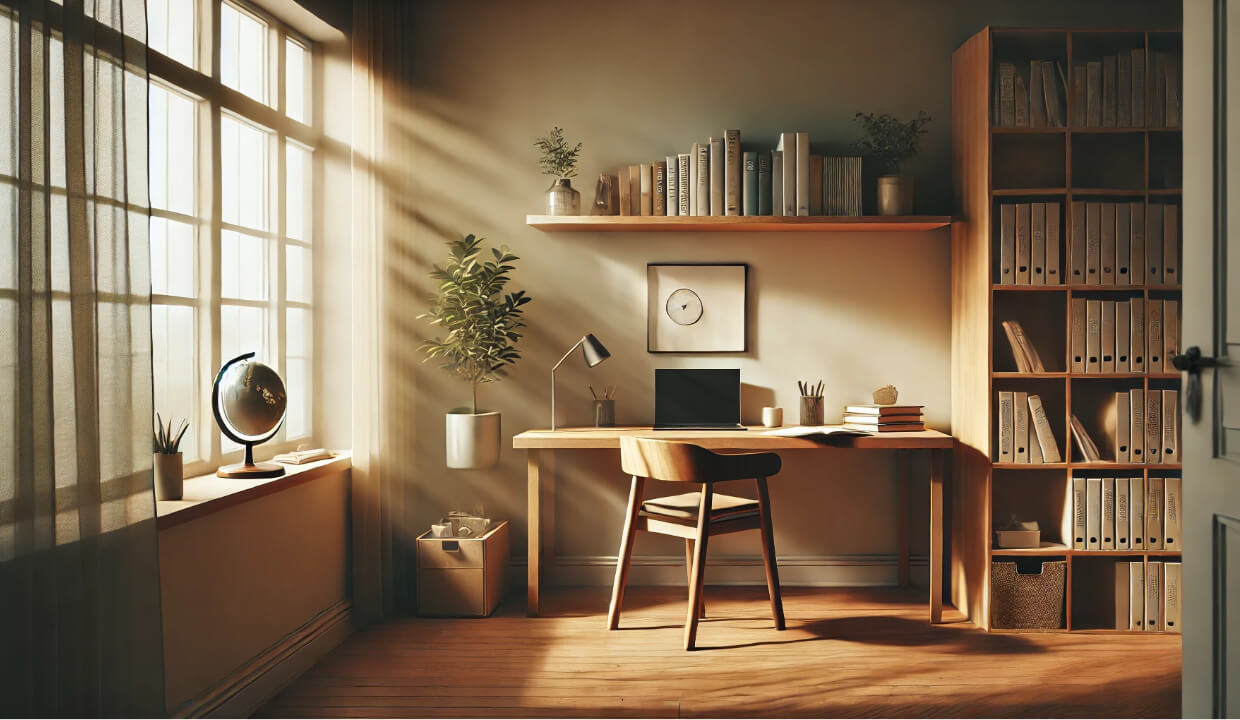
Minimalism does not mean living in an empty, impersonal space. Rather, it is about eliminating excess so that what remains has true value and meaning.
Ways to embrace thoughtful minimalism:
- Keep only the essentials and a few meaningful decorations.
- Choose neutral, calming colors to reduce visual noise.
- Organize items in a way that makes them easy to find and use.
An introvert-friendly space should feel inviting, not barren—a place where solitude is comfortable and nourishing.
4. Digital Clutter Matters Too
Just as physical clutter can overwhelm the senses, digital clutter can create stress and distraction.
How to declutter your digital space:
- Organize files into clearly labeled folders.
- Unsubscribe from unnecessary emails and notifications.
- Limit your time on social media and other distractions.
- Use minimalist desktop and phone backgrounds to create visual calm.
A streamlined digital space allows for greater focus and creativity, reducing mental friction when working or reflecting.
5. Develop a Sustainable Decluttering Habit
Decluttering is not a one-time task but an ongoing practice. To prevent clutter from building up again, create simple habits that maintain order over time.
Habits to maintain a clutter-free space:
- Implement the “one in, one out” rule (for every new item, remove an old one).
- Spend five minutes at the end of each day tidying your workspace.
- Regularly reassess your belongings to ensure they still serve a purpose.
By incorporating decluttering into daily life, introverts can cultivate an environment that continuously supports their well-being and creative flow.
The Role of Solitude in Decluttering
Decluttering is not just about physical organization—it is a deeply personal process of letting go and creating space for what truly matters. Solitude provides the perfect opportunity to reflect on what adds value to your life and what does not.
1. The Mindful Decluttering Approach
When decluttering, take time to be present with each item. Hold it, consider its role in your life, and decide whether it aligns with your values and needs.
Mindful decluttering steps:
- Choose a quiet, undisturbed time to declutter.
- Handle each item with intention and gratitude.
- Make decisions based on intuition rather than external expectations.
By treating decluttering as a mindfulness practice, you transform it into an act of self-care and self-discovery.
2. Solitude as a Space for Clarity
Many introverts find that being alone enhances their ability to make thoughtful decisions. Use solitude as a tool to declutter not only your physical space but also your mental and emotional space.
Ways solitude aids decluttering:
- Helps you tune into your true needs rather than societal pressures.
- Provides time to process emotions tied to possessions.
- Enhances the ability to visualize an ideal, peaceful space.
At Tribe of One, we believe that solitude is not isolation but an opportunity to connect more deeply with ourselves and create a space that reflects our inner peace.
The Benefits of a Clutter-Free Environment
1. Increased Focus and Productivity
A clear space leads to a clear mind. Reducing visual distractions enhances the ability to concentrate, making deep work and creative thinking more effortless.
2. Lower Stress and Anxiety
Living and working in a clutter-free environment reduces unnecessary stress. A well-organized space eliminates the subconscious pressure of unfinished tasks and chaotic surroundings.
3. Enhanced Creativity and Inspiration
Introverts and solitude-seekers thrive in environments that foster creativity. A decluttered space allows for new ideas to emerge without the noise of excess possessions.
4. A Greater Sense of Freedom
Letting go of unneeded items creates a sense of lightness and freedom. Instead of being weighed down by the past, you can move forward with clarity and intention.
Conclusion
Reducing visual and physical clutter is a transformative practice that aligns with the needs of introverts and those who embrace solitude. By intentionally curating your environment, you create a sanctuary that supports deep thought, creativity, and emotional well-being.
At Tribe of One, we celebrate the power of solitude and mindful living. A clutter-free space is not just about aesthetics—it is about designing a life that nurtures inner clarity and peace. Start small, be intentional, and watch how simplifying your surroundings enhances your ability to thrive in your own quiet way.
What steps will you take today to reduce clutter and create a more peaceful environment? Share your journey with Tribe of One and inspire others on the path to simplicity and self-discovery.




Comments (0)