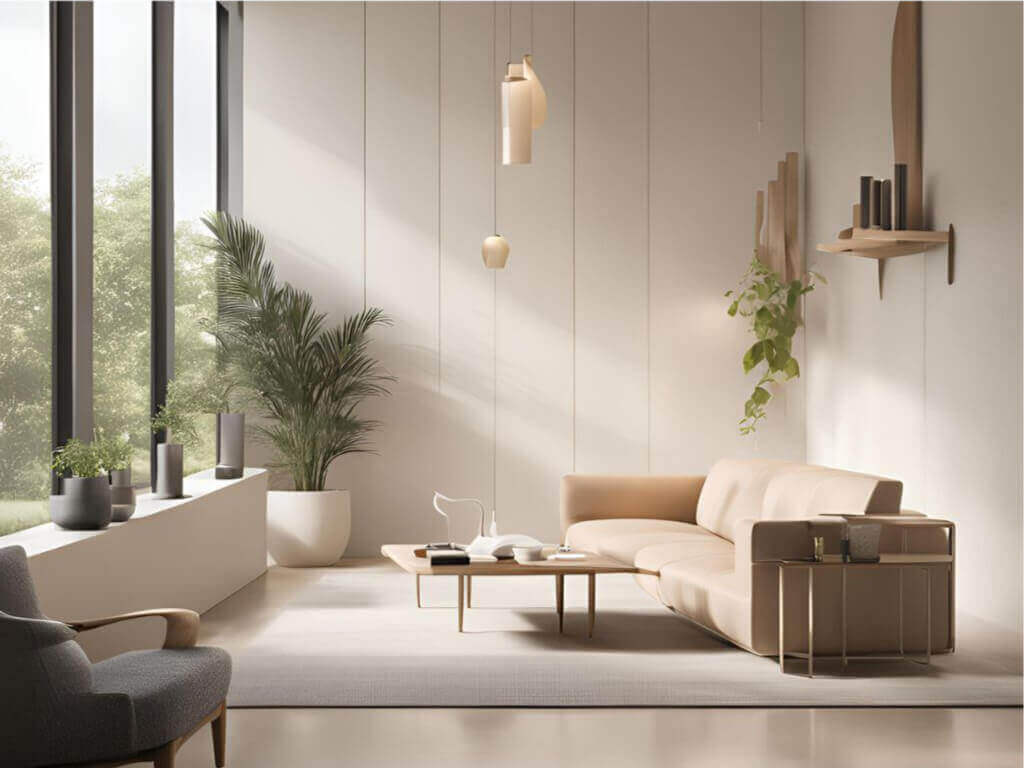

Reducing Visual and Physical Clutter. A Path to Clarity for Introverts. In a world filled with distractions and constant demands for our attention, clutter—both visual and physical—can become a silent thief of mental clarity and emotional peace. For introverts and those who thrive in solitude, the effects of clutter are particularly pronounced. As individuals who often seek calm and reflection, an overstimulating environment can hinder their ability to think deeply, recharge, and find solace.
At Tribe of One, we recognize the transformative power of simplicity. Reducing clutter is not just about tidying up; it’s about creating a sanctuary that reflects your inner values, nurtures your spirit, and supports your growth. This article explores the profound impact of clutter, why it’s essential to address it, and practical steps to cultivate a serene and intentional environment.
The Connection Between Clutter and the Mind
1. Clutter as a Source of Overstimulation
For introverts, excessive visual or physical clutter can feel overwhelming. Each item in your field of vision competes for your attention, creating mental noise that disrupts your focus and tranquility.
- Visual Clutter: A crowded desk, disorganized shelves, or scattered belongings can lead to cognitive overload.
- Physical Clutter: Excess items in your living or working space can make it difficult to move freely or relax.
2. The Emotional Toll of Clutter
Clutter isn’t just a physical issue—it has emotional consequences. Studies have shown that disorganized spaces can increase stress, anxiety, and even feelings of guilt or inadequacy. For introverts, who often internalize their surroundings, these effects can be amplified.
3. Clutter and Decision Fatigue
Each item in a cluttered space represents a decision—whether to keep it, move it, or ignore it. Over time, this constant decision-making drains mental energy, leaving you less equipped to focus on what truly matters.
Why Reducing Clutter Matters for Introverts
1. Enhancing Solitude and Reflection
Introverts thrive in environments that support deep thinking and self-reflection. A clutter-free space creates the mental and physical room needed for these activities.
- Fewer Distractions: A minimalist environment reduces interruptions to your thought process.
- Clearer Focus: Without visual chaos, your mind can settle into a state of calm and concentration.
2. Supporting Emotional Well-Being
A tidy space fosters a sense of control and peace, essential for introverts who recharge emotionally through solitude.
- Reduced Stress: A serene environment promotes relaxation and reduces feelings of overwhelm.
- Increased Joy: Surrounding yourself with meaningful items sparks positive emotions.
3. Aligning with Intentional Living
Introverts often value depth and authenticity, seeking to align their outer world with their inner values. Reducing clutter allows you to:
- Honor Your Priorities: Keep only what truly serves your goals and passions.
- Celebrate Simplicity: Embrace the beauty of less, focusing on quality over quantity.
Steps to Reduce Visual and Physical Clutter
1. Reflect on Your Relationship with Clutter
Begin by understanding why clutter accumulates in your life. Ask yourself:
- Do I hold onto items out of guilt or obligation?
- Am I overwhelmed by the idea of letting go?
- Does clutter serve as a distraction from deeper emotional work?
2. Define Your Vision for the Space
Before decluttering, envision what you want your space to feel like. Consider:
- Purpose: What activities will this space support (e.g., work, relaxation, creativity)?
- Mood: What emotions do you want the space to evoke (e.g., calm, inspiration, joy)?
3. Start Small and Build Momentum
Tackling clutter can feel daunting, so begin with manageable steps:
- The 10-Minute Rule: Dedicate just 10 minutes a day to decluttering a small area.
- One Category at a Time: Focus on a specific type of item, such as books, clothing, or papers.
- Celebrate Progress: Acknowledge each step forward, no matter how small.
4. Use the Three-Box Method
When decluttering, sort items into three categories:
- Keep: Items you use regularly or bring joy.
- Donate: Items in good condition that others can benefit from.
- Discard: Items that are broken, outdated, or no longer serve a purpose.
5. Adopt a Minimalist Mindset
Minimalism isn’t about deprivation—it’s about intentionality. Ask yourself:
- Does this item add value to my life?
- Would I buy this again if I didn’t already own it?
- Does keeping this align with my vision for the space?
Maintaining a Clutter-Free Environment
1. Create Systems for Organization
A place for everything and everything in its place. Establish systems to keep your space tidy:
- Storage Solutions: Use labeled bins, shelves, and organizers.
- Daily Habits: Spend a few minutes each day tidying up to prevent clutter from accumulating.
- One In, One Out Rule: For every new item you bring in, let go of an old one.
2. Be Mindful of New Additions
Introverts often appreciate thoughtful decision-making. Apply this principle to your belongings:
- Avoid impulse purchases by considering the long-term value of an item.
- Choose quality over quantity to reduce waste and clutter.
3. Regularly Reassess Your Space
Your needs and preferences evolve over time. Periodically review your space to ensure it still aligns with your goals.
The Role of Tribe of One in Your Decluttering Journey
At Tribe of One, we understand that reducing clutter is about more than creating a tidy space—it’s about fostering clarity, focus, and emotional well-being.
1. Community Support
Join a community of like-minded individuals who value intentional living. Share your progress, seek advice, and celebrate your successes together.
2. Resources and Tools
Explore our resources, including guides, checklists, and journaling prompts, to support your decluttering journey.
3. Workshops and Challenges
Participate in workshops and challenges designed to help you create a clutter-free and harmonious environment.
4. A Space for Reflection
Use the principles of Tribe of One to deepen your connection with yourself as you simplify your surroundings.
Case Study: Sarah’s Journey to Clarity
Sarah, a member of Tribe of One, struggled with a cluttered home office that hindered her ability to focus and write.
Before
- Stacks of unread books and papers covered her desk.
- Miscellaneous items created visual chaos.
- She felt overwhelmed and uninspired.
After
- Sarah decluttered her space, keeping only the essentials.
- She added a plant and a calming piece of artwork for inspiration.
- Her tidy, minimalist office now feels like a sanctuary for creativity and focus.
Sarah shares: “Clearing my space cleared my mind. I finally feel free to focus on what matters most.”
Conclusion: Creating Space for What Matters
Reducing visual and physical clutter is about more than tidying up—it’s about creating a space that supports your values, nurtures your well-being, and aligns with your introverted nature.
At Tribe of One, we believe in the transformative power of simplicity. By letting go of what no longer serves you, you create room for clarity, focus, and meaningful growth.
Step into a space of intention and peace. Embrace the beauty of less, and discover the freedom it brings.





Comments (0)